
Field notes from the shop floor
Practical guidance on geotechnical drilling, site investigation, and deep foundations — written by the people who build the rigs and the piles. Tampa, Florida.
-
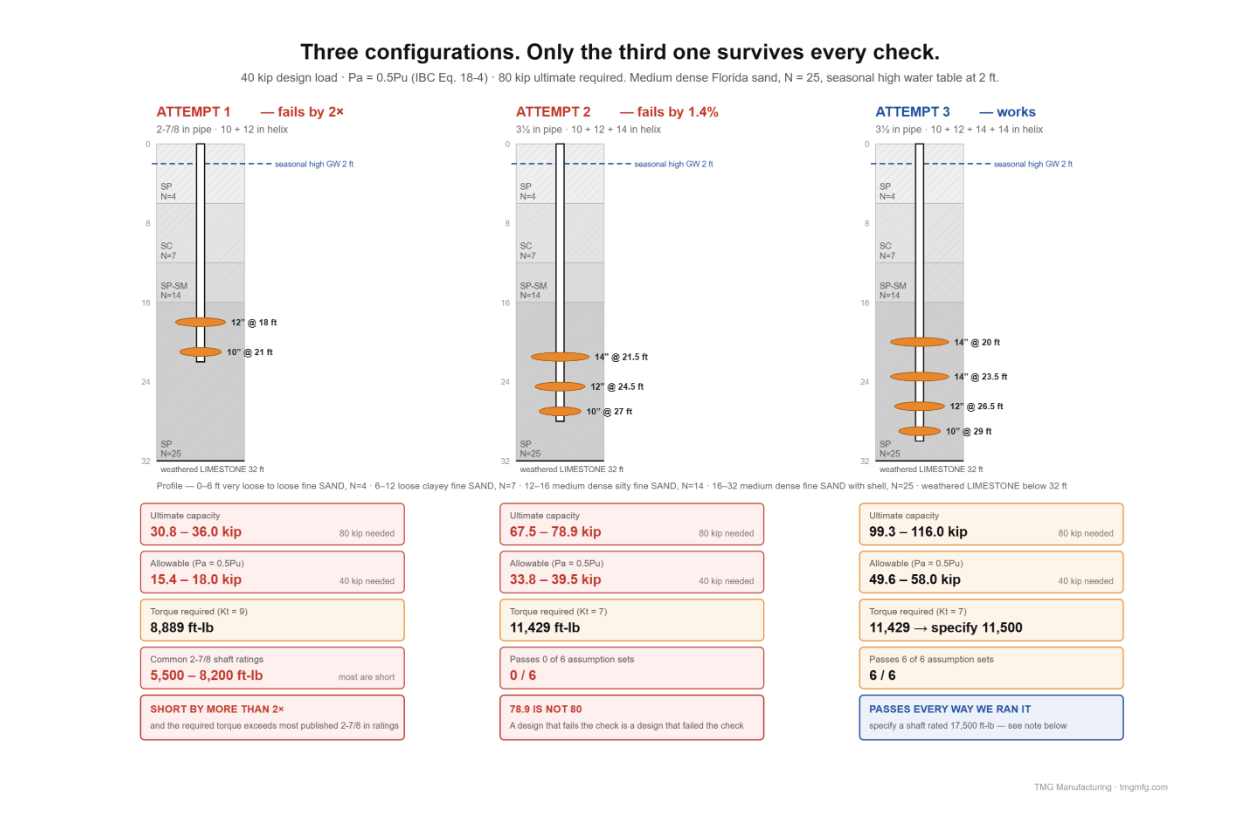
Reading a Boring Log for Helical Pile Design: A Worked Example
Helical pile design from a boring log, worked end to end on a real Tampa profile — N-values to soil parameters, helix sizing, and the installation torque you specify. Including…
-
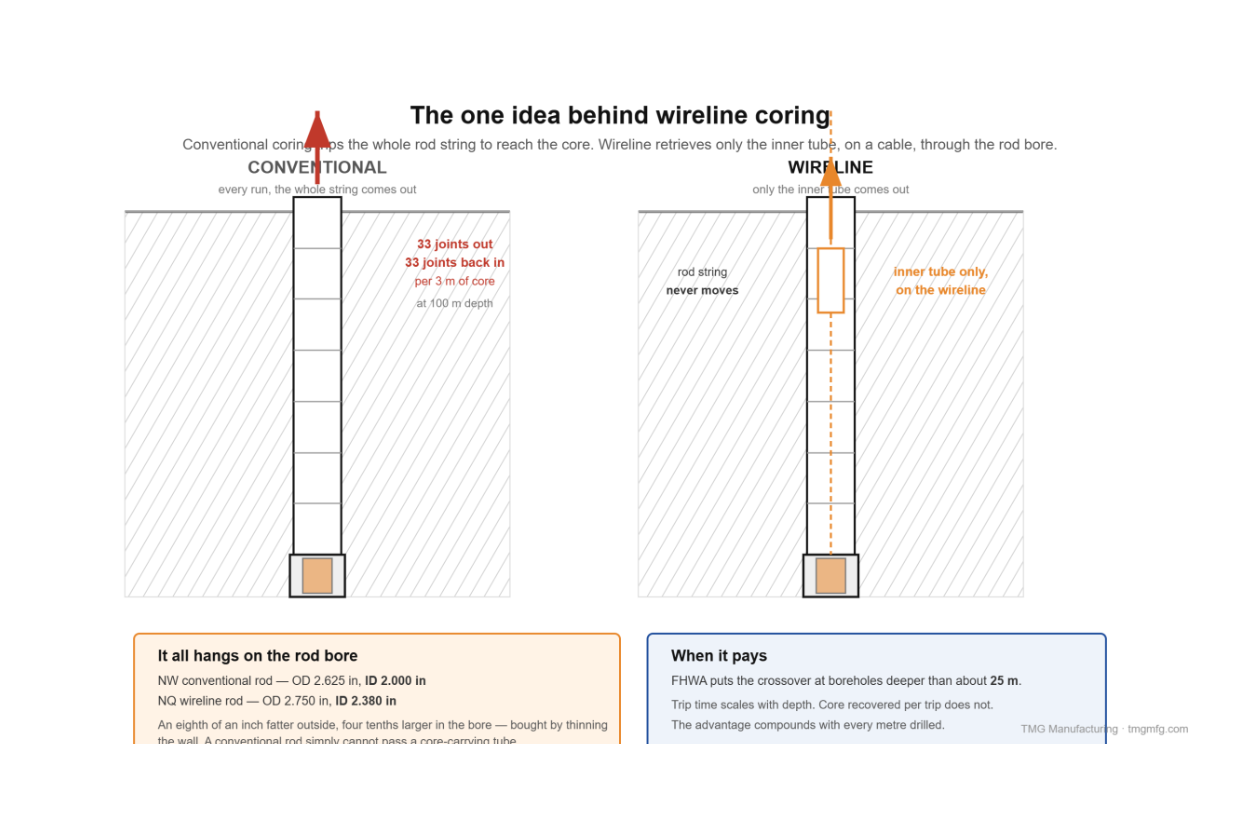
Wireline Core Drilling: How the System Actually Works
How wireline core drilling works — the core barrel and overshot anatomy, NQ/HQ/PQ sizes, water flow, and why there is no active ASTM standard for rock coring right now.
-
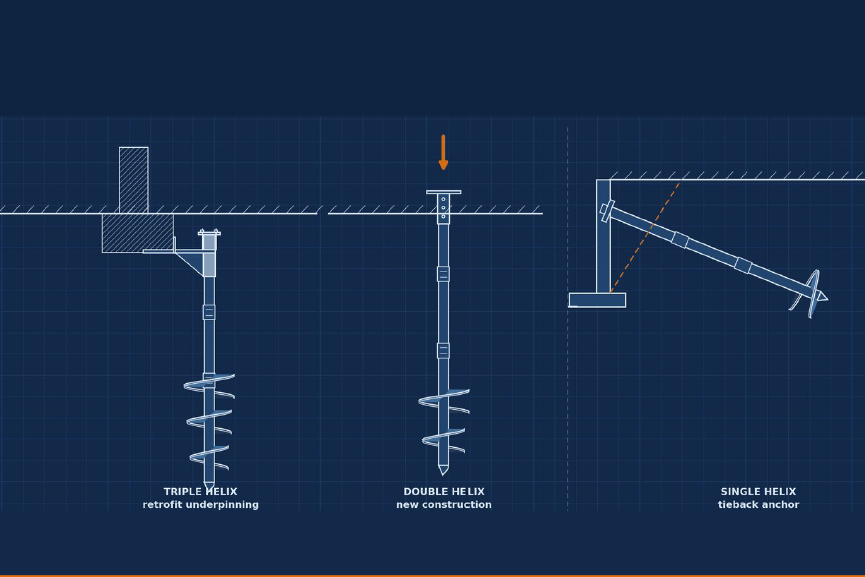
Helical Piles: The Pros and Cons
Helical piles install fast, quiet, and vibration-free, and are the only deep foundation whose design capacity is routinely accepted from an installation-torque correlation written into code. They lose to micropiles…
-
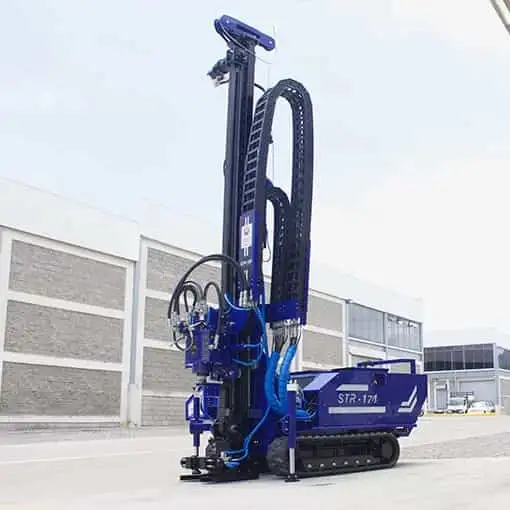
How to Perform SPT Testing: A Complete Field Procedure Guide
SPT testing drives a 2-inch split-spoon sampler 18 inches into the bottom of a borehole with a 140-pound hammer falling 30 inches. The N-value is the sum of the second…
-
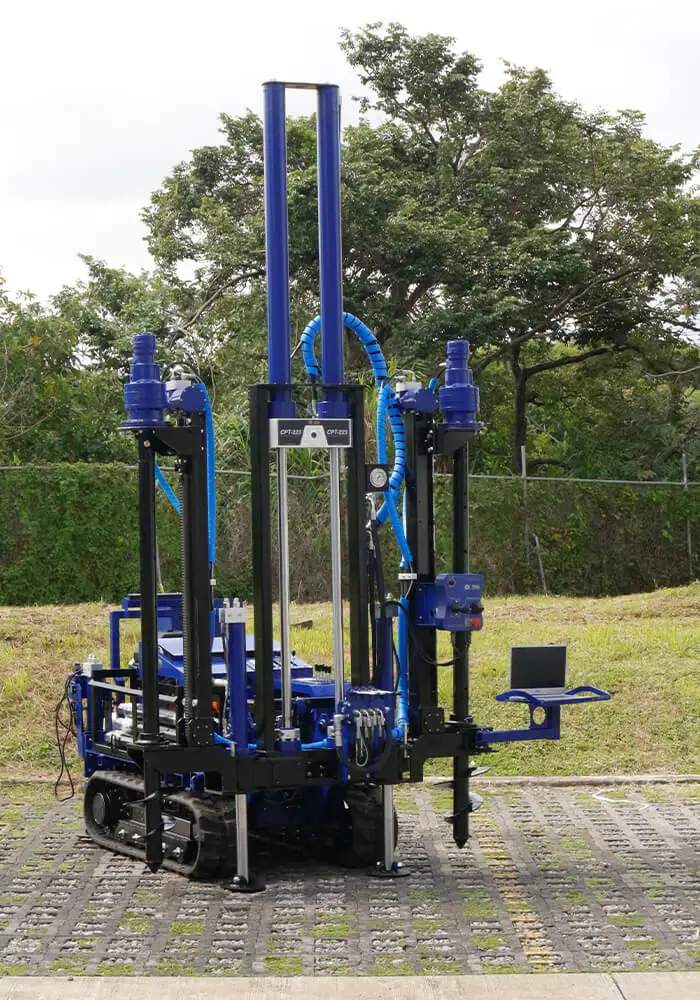
CPT vs. SPT: How to Choose the Right Soil Test
CPT pushes an instrumented cone and returns a continuous soil profile with no sample. SPT drives a split-spoon sampler and returns both a blow count and real soil. A neutral…